
Introduction
Unplanned pump failures can disrupt operations, increase costs, and even cause safety hazards. Traditional pump maintenance often relies on fixed schedules or reactive repairs, which may not always prevent breakdowns. With the rise of the Internet of Things (IoT) and advanced monitoring technologies, industries now have the tools to predict failures before they occur.
This article explores how IoT-enabled pump monitoring works, the benefits of predictive maintenance, and the technologies that are transforming pump management worldwide.
Why Pump Monitoring Matters
- High Operating Costs: Pumps consume large amounts of energy in industries, making efficiency critical.
- Unexpected Failures: A sudden breakdown can halt production and damage equipment.
- Maintenance Burden: Routine manual inspections are costly and may miss early warning signs.
- Safety and Compliance: In industries handling hazardous fluids, pump failures can lead to spills and regulatory penalties.
The Role of IoT in Pump Monitoring
IoT-enabled pumps use sensors, connectivity, and data analytics to continuously track performance. Real-time data is sent to control systems or cloud platforms for analysis, enabling predictive insights.
Key Data Parameters Monitored
- Flow Rate: Ensures pumps are delivering expected performance.
- Pressure Levels: Detects restrictions or leaks.
- Temperature: Identifies overheating or bearing issues.
- Vibration: Early indicator of imbalance, cavitation, or wear.
- Energy Consumption: Reveals inefficiencies and overloading.
Predictive Maintenance with IoT
Unlike scheduled maintenance, predictive maintenance relies on real-time condition monitoring. This approach helps:
- Detect anomalies before they become critical failures.
- Extend pump lifespan by preventing damage.
- Reduce downtime by scheduling maintenance only when necessary.
- Save costs on spare parts and labor.
Technologies in IoT Pump Monitoring
Smart Sensors
Low-cost, wireless sensors track key parameters like vibration and temperature.
Cloud Platforms
IoT data is stored and analyzed on cloud systems for remote access and insights.
AI and Machine Learning
Algorithms analyze trends and predict when pumps may fail.
Digital Twins
A virtual model of the pump simulates operations, allowing engineers to test scenarios and predict failures.
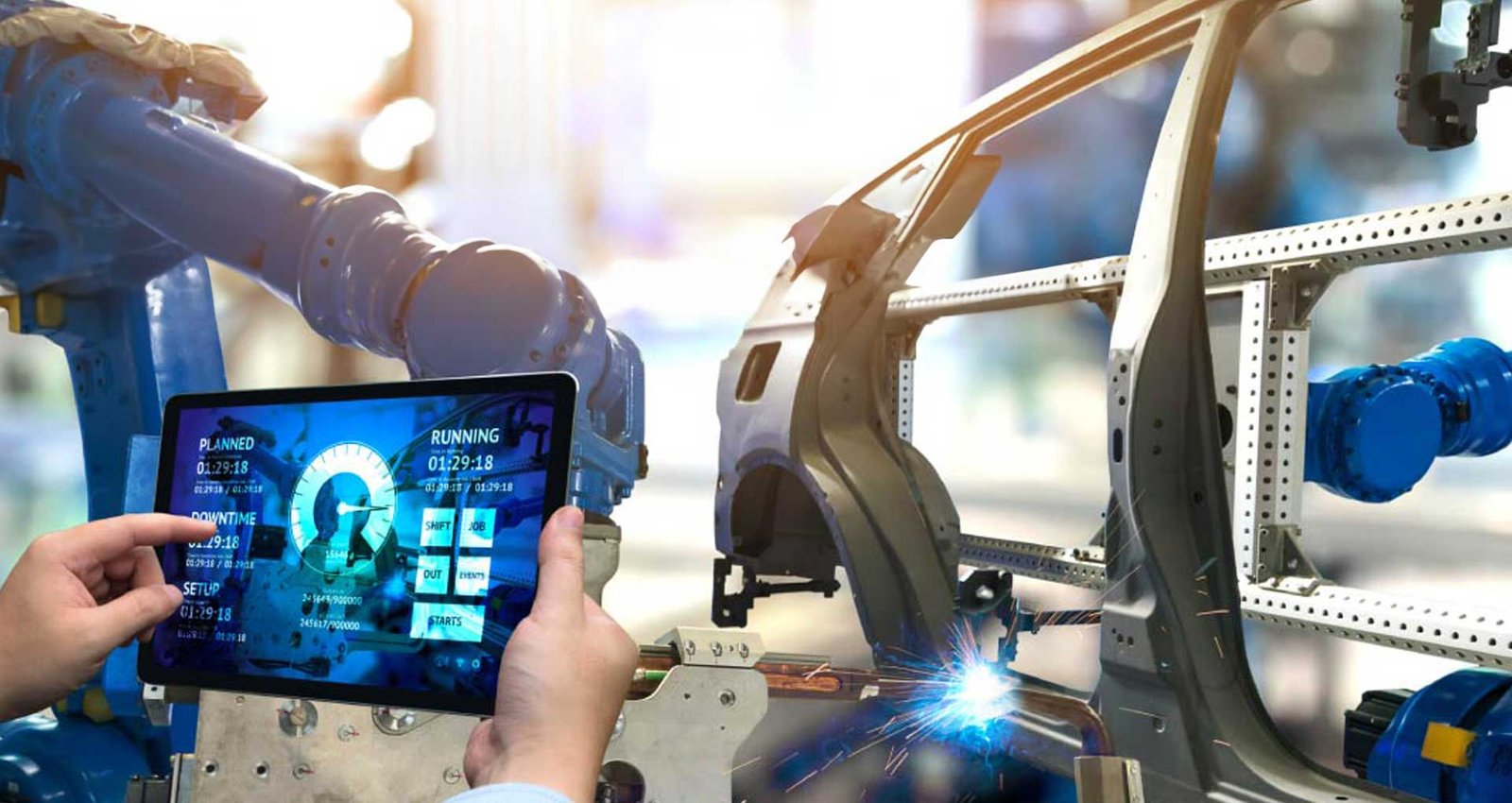
Mobile Applications
Technicians receive real-time alerts and dashboards directly on smartphones or tablets.
Benefits of IoT-Enabled Pump Monitoring
- Improved Reliability: Early warnings prevent catastrophic failures.
- Energy Efficiency: Identifies inefficient operating conditions.
- Reduced Maintenance Costs: Lowers unnecessary routine inspections.
- Scalability: Multiple pumps across plants can be monitored remotely.
- Data-Driven Decision Making: Helps optimize pump selection, operations, and replacements.
Real-World Applications
- Water Utilities: IoT sensors detect leaks and prevent pump station failures.
- Oil & Gas: Continuous monitoring prevents costly downtime in offshore platforms.
- Manufacturing: Predictive analytics keeps production lines running smoothly.
- Agriculture: Smart irrigation pumps reduce water and energy waste.
Challenges and Considerations
- Initial Investment: IoT-enabled systems can be costly to implement.
- Cybersecurity Risks: Connected systems require strong data security.
- Integration with Legacy Equipment: Older pumps may need retrofitting with sensors.
- Data Overload: Requires proper analytics tools to avoid overwhelming operators.
Future of Pump Monitoring
As IoT technology becomes cheaper and more advanced, predictive maintenance will become the industry standard. The integration of AI, edge computing, and 5G connectivity will make pump monitoring faster, smarter, and more reliable.
Conclusion
IoT-driven pump monitoring is transforming how industries manage pumping systems. By leveraging real-time data and predictive insights, businesses can avoid costly failures, improve energy efficiency, and enhance safety. The shift from reactive to predictive maintenance marks a major leap toward smarter, more sustainable industrial operations.
FAQs
Q1: What is IoT pump monitoring?
It is the use of sensors, connectivity, and analytics to track pump performance in real time and predict failures.
Q2: Can IoT monitoring be applied to old pumps?
Yes, older pumps can often be retrofitted with smart sensors for monitoring.
Q3: How does predictive maintenance save costs?
It reduces unplanned downtime, minimizes spare part usage, and cuts energy waste.
Q4: What industries benefit most from IoT pump monitoring?
Water utilities, oil & gas, manufacturing, and agriculture benefit significantly.
Q5: Is IoT pump monitoring secure?
Yes, but strong cybersecurity protocols are essential to protect data and systems.
