
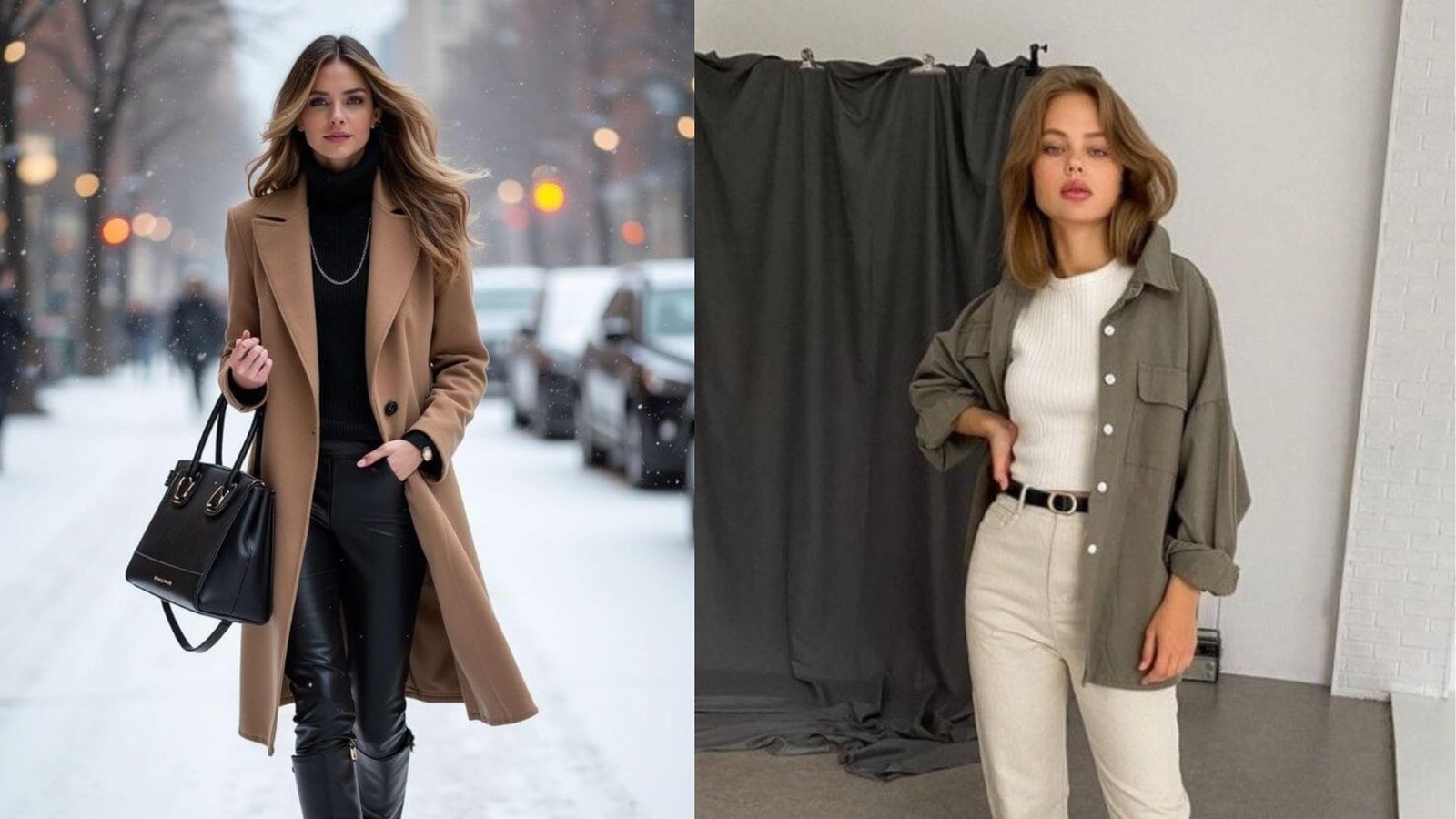
The Seasonal Rhythm of European Fashion
Fashion in Europe is deeply tied to the seasons. Unlike regions where style remains relatively constant, Europe’s climate—with its cold winters, blooming springs, warm summers, and crisp autumns—demands a wardrobe that evolves throughout the year. This seasonal shift has influenced the way Europeans dress, shaping a fashion culture that adapts while maintaining elegance and individuality. Seasonal European styling is not only about practicality but also about expressing mood, tradition, and creativity in tune with the year’s cycle.
Winter: Elegance in Layers
Winter in Europe requires warmth, but style is never sacrificed. Layering is the cornerstone of winter fashion, with wool coats, cashmere sweaters, and tailored trousers forming the foundation. Scarves, gloves, and hats add not just practicality but sophistication. Outerwear becomes the focal point of winter wardrobes, with trench coats in London, shearling jackets in Paris, and tailored overcoats in Milan. Leather boots, often lined for warmth, provide both durability and elegance. The art lies in layering with intention—each piece serves both function and aesthetic, creating a polished yet cozy ensemble.
Spring: Transition With Lightness
As winter recedes, spring introduces lighter fabrics and playful colors. In Paris, floral dresses paired with trench coats are a seasonal staple, while in Milan, pastel blazers and skirts dominate. Scandinavian countries embrace layering with lighter textures like cotton and linen, adjusting to unpredictable spring weather. Accessories become brighter, with patterned scarves or statement handbags adding bursts of freshness. Spring style reflects renewal and optimism, balancing warmth for chilly mornings with breezy fabrics for afternoons.
Summer: Effortless Cool
European summers vary from the Mediterranean’s heat to the milder northern climates, but style everywhere reflects ease and vibrancy. In Italy and Spain, linen shirts, flowing dresses, and sandals dominate wardrobes. Mediterranean colors—white, coral, and deep blue—mirror the landscape and bring freshness to summer looks. In northern Europe, light layering remains essential, with sundresses paired with denim jackets or lightweight knitwear. Sunglasses, wide-brimmed hats, and woven bags complete the continental summer style, embodying both relaxation and refinement.
Autumn: Richness in Texture and Tone
Autumn in Europe is celebrated for its depth of color and richness of texture. Fashion reflects the season’s mood with warm tones such as burgundy, mustard, and forest green. Fabrics like tweed, wool, and suede reappear, offering warmth without the heaviness of winter. In London, plaid skirts and trench coats dominate, while in Paris, ankle boots and oversized blazers take center stage. Autumn is the season of layering sophistication—knits over shirts, coats over dresses, scarves draped effortlessly. It is a season where fashion thrives on contrast, merging structure with softness.
The Role of Accessories in Seasonal Styling
Accessories are central to adapting European style throughout the year. In winter, leather gloves and wool scarves provide warmth and elegance. In spring, lightweight silk scarves and colorful handbags brighten ensembles. Summer highlights sunglasses, hats, and sandals, while autumn leans on boots, belts, and textured bags. Accessories not only complement outfits but also signal seasonal shifts, making them powerful tools in maintaining year-round style.
Fabrics That Define the Seasons
Fabrics play a key role in seasonal European fashion. Wool and cashmere dominate winter, providing warmth and structure. Cotton and linen thrive in spring and summer, offering breathability and lightness. Tweed and suede return in autumn, adding texture and richness. European designers and consumers alike pay close attention to fabric choice, ensuring that clothing not only looks stylish but also aligns with seasonal comfort. This attention to material reinforces Europe’s reputation for practical elegance.
Regional Variations Across Europe
Seasonal styling also reflects regional differences. Southern Europe, with its Mediterranean climate, leans on airy linens and vibrant colors, particularly in summer. Northern Europe emphasizes layering and practicality, even in warmer months, due to cooler climates. Central Europe blends both traditions, balancing Mediterranean lightness with northern structure. These regional differences create diversity within European fashion, yet all share the same seasonal rhythm of adapting style to climate.
Fashion Weeks and Seasonal Influence
Europe’s fashion weeks in Paris, Milan, London, and Copenhagen not only showcase creativity but also set seasonal trends. Designers present collections aligned with seasonal cycles, influencing how individuals dress in the months to come. Runway shows highlight fabrics, palettes, and silhouettes that reflect the mood of each season, while also reinterpreting traditional seasonal dressing. These global events ensure that European seasonal styling continues to evolve while maintaining its roots.
The Psychology of Dressing With the Seasons
Seasonal dressing has psychological effects, influencing mood and identity. Cozy knits and layered coats in winter evoke security and warmth, while light dresses and airy fabrics in summer promote relaxation and freedom. Autumn’s deep tones inspire introspection, while spring’s freshness fosters optimism. Europeans embrace these shifts, seeing clothing not just as necessity but as a way to connect with the rhythm of life. Seasonal styling becomes a form of self-expression aligned with emotional cycles.
How to Embrace Seasonal European Styling
Incorporating seasonal European style into your wardrobe begins with versatile basics. Invest in timeless outerwear such as trench coats, wool coats, and leather jackets that transition across seasons. Add lighter fabrics like cotton and linen for spring and summer. Choose a palette that reflects seasonal moods—deep, rich tones for autumn, soft pastels for spring, and vibrant hues for summer. Build your wardrobe around quality staples and adapt them with accessories and layering techniques. This ensures elegance and functionality all year round.
Conclusion: Dressing in Harmony With the Year
Seasonal European styling proves that fashion is not static but responsive to life’s cycles. By aligning wardrobes with the seasons, Europeans achieve a balance of practicality, elegance, and expression. Whether it is the sophistication of winter layers, the freshness of spring florals, the ease of summer linens, or the richness of autumn textures, each season offers an opportunity to express style anew. Dressing the continental way means living in rhythm with the year, embracing both tradition and change with grace.
✅ That’s the seventh and final article in the European wear styling series completed.
Do you want me to now create 7 more fresh fashion topics in the same category, or should we switch to a new category (like lifestyle, tech, or property again)?
